Reflection Notes from the Feild: Monsoon School #2
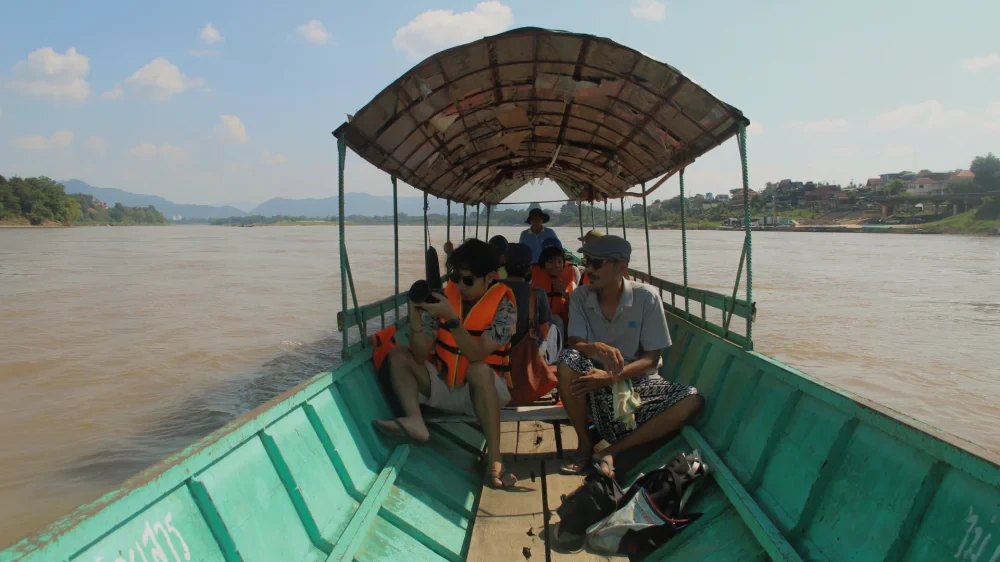
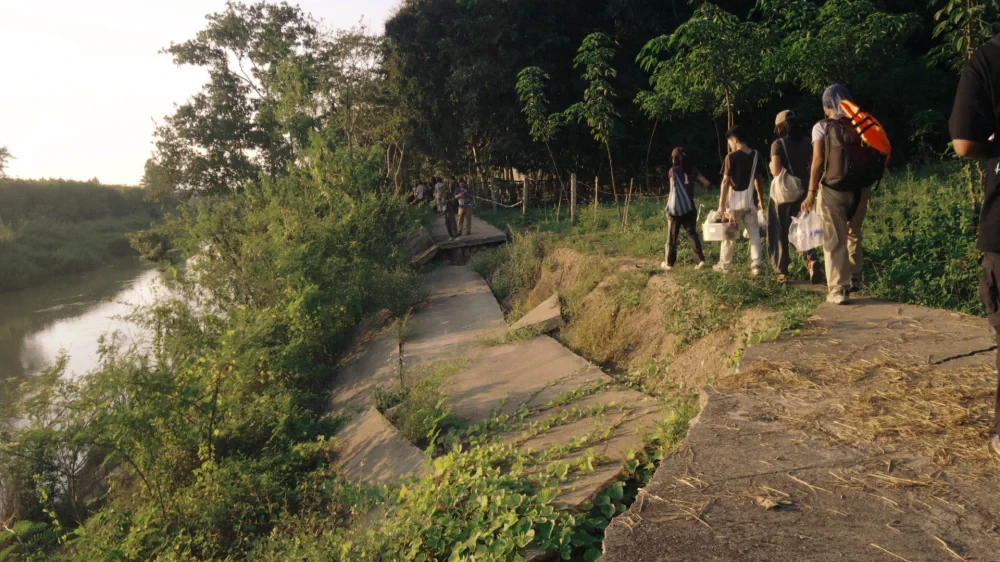
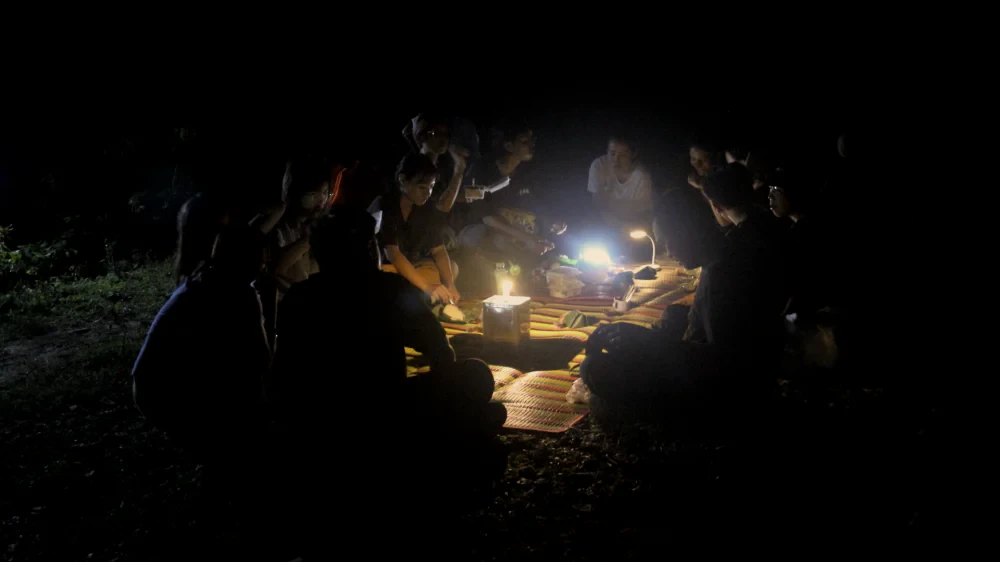
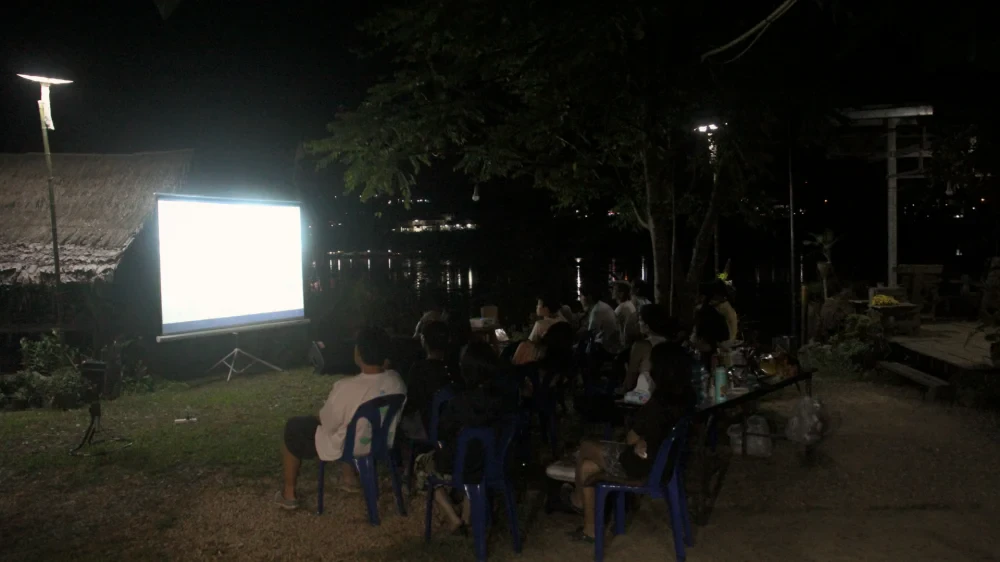
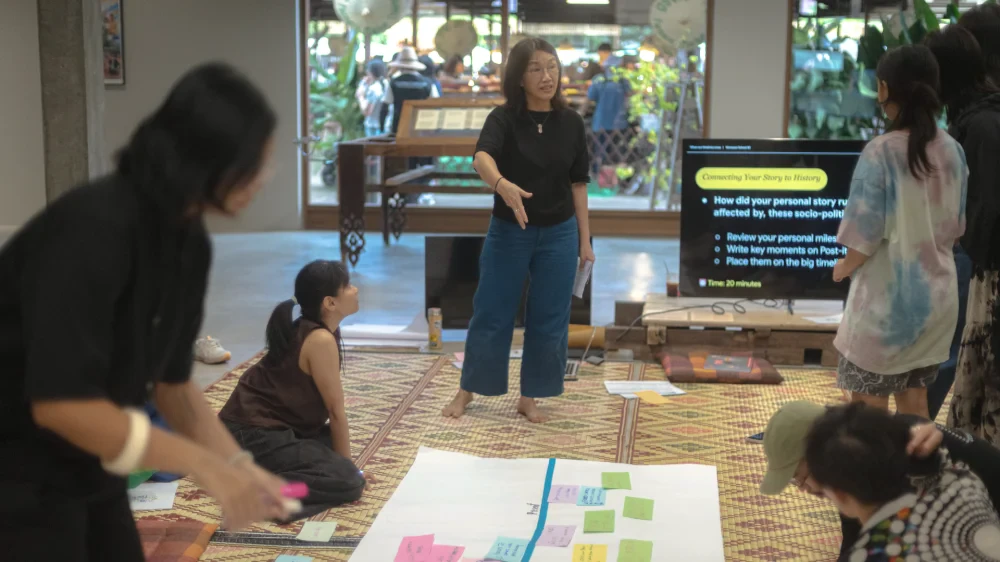
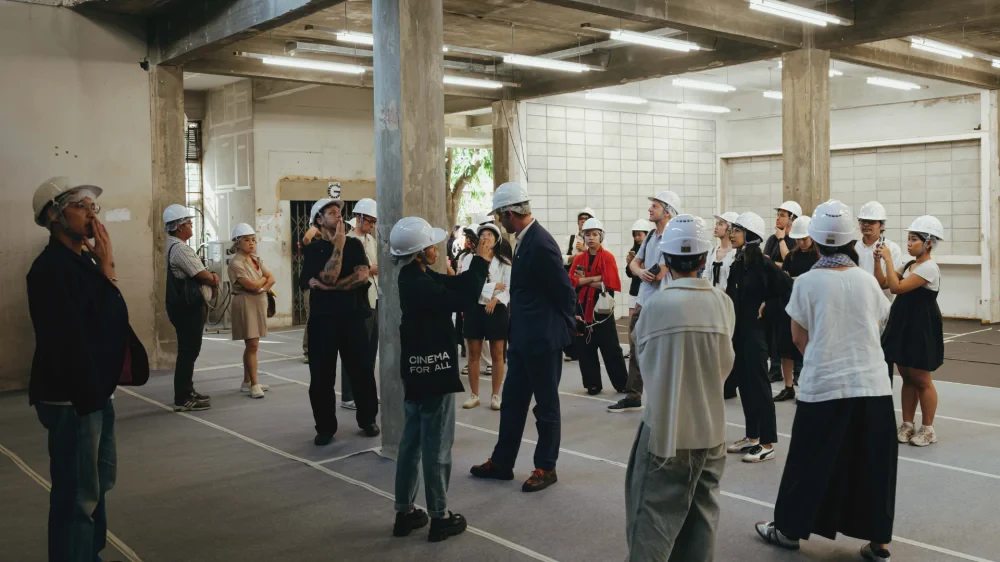
Over 8 days, Monsoon School #2: Field as Method brought together artists, curators, cultural workers, activists, architects, geographers, filmmakers, and photographers across Southeast Asia and China to share time and space through conversations, boat journeys, forest walks, shared meals, and collective making. We are inspired by each participant’s commitment to their own practice and thankful for their openness to our collective learning.
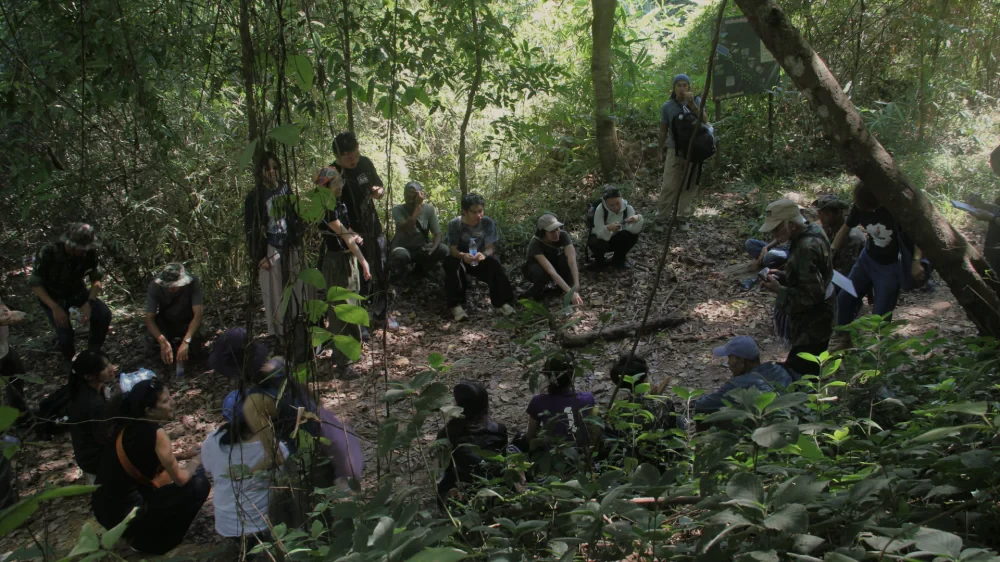
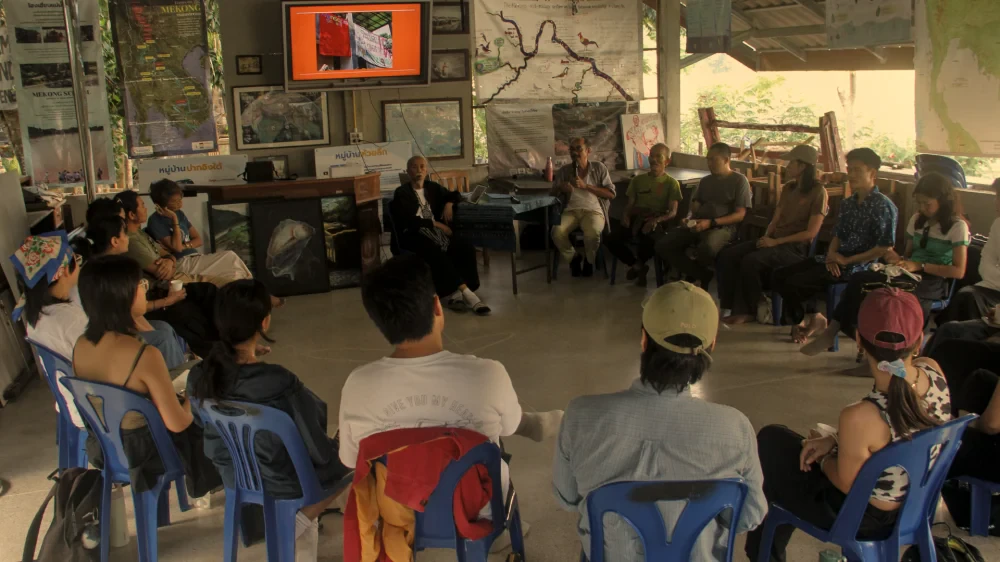
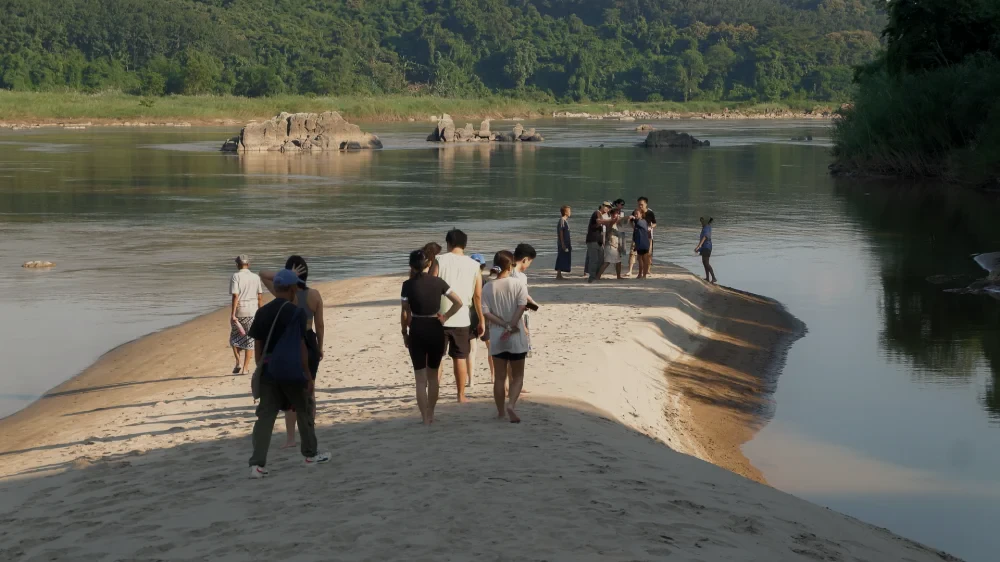
We extend our deepest thanks to Book Re:public for opening the program by connecting our personal histories with broader sociopolitical histories; Mekong School for generously hosting us for five days in Chiang Khong, sharing their decades of advocacy for the Mekong River and communities along both banks at the Thai-Lao border, and showing how folktales carry and transmit community knowledge; Wo-Men Work for inviting us to think across scales and consider what each might reveal or obscure; and Ajarn Warong Wonglangka for drawing our attention to the intimate worlds of plants and insects through early-morning and nighttime walks in Baan Muang Chum Wetland and Hill Forest and a sand dune on the Thai side of the Mekong River. We are also grateful to the forest committee, Uncle Muang Srisom and the fisherfolks on Mon Nan Fah for their guidance and generous welcome.
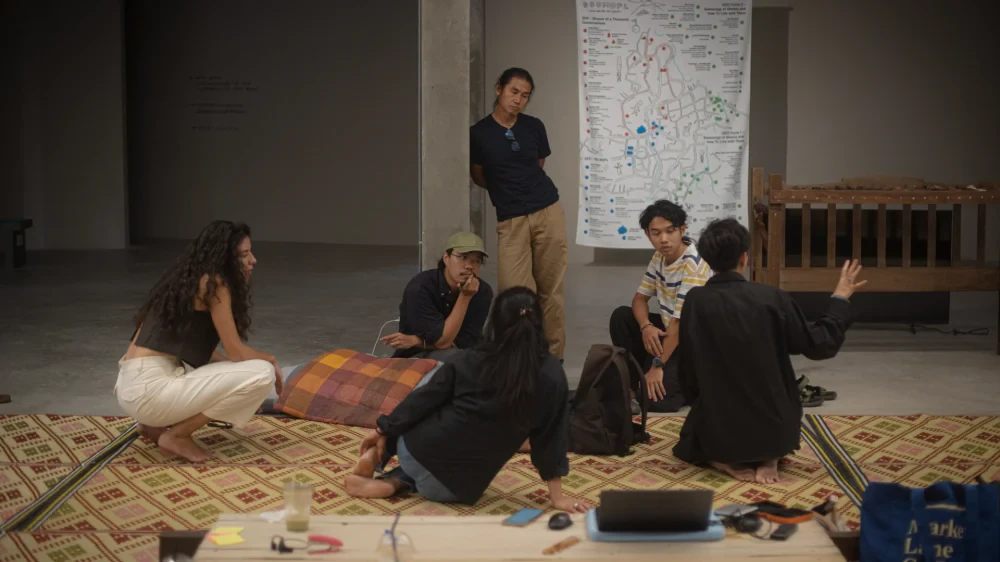
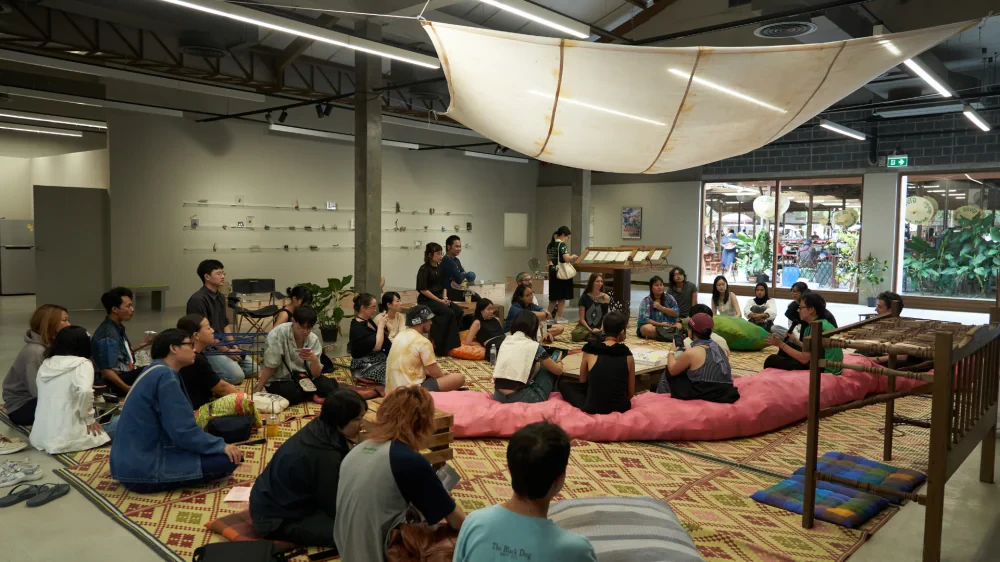
Participants also became co-facilitators through our “Monsooning” sessions, bringing their own questions into collective discussion: How do we listen and tune into one another? How are stories told and retold, and what gets lost or transformed along the way? What does it mean to take an object or a sound out of its context? Throughout these discussions, we returned to the ethical responsibilities we carry before, during, and after spending time in a community or place.
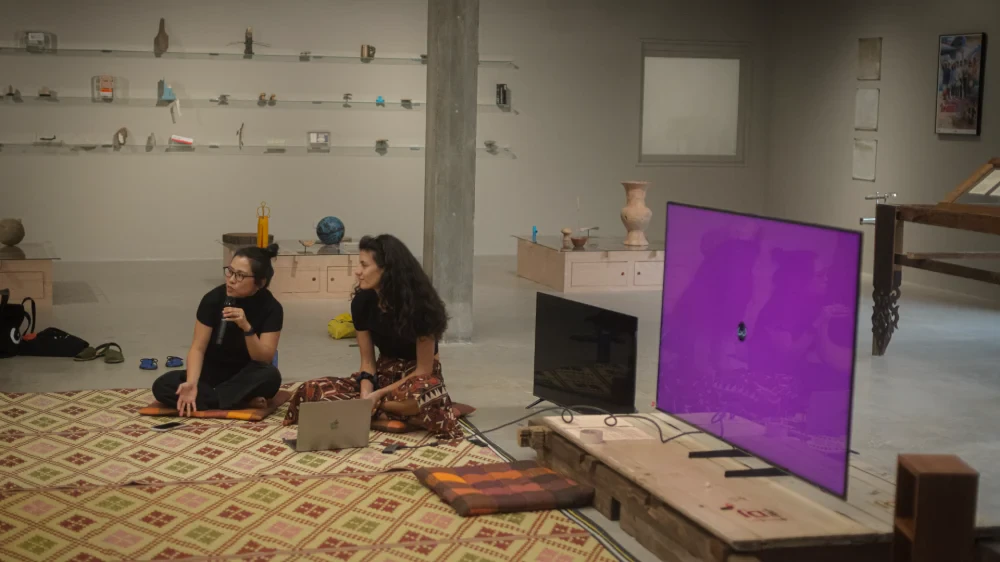
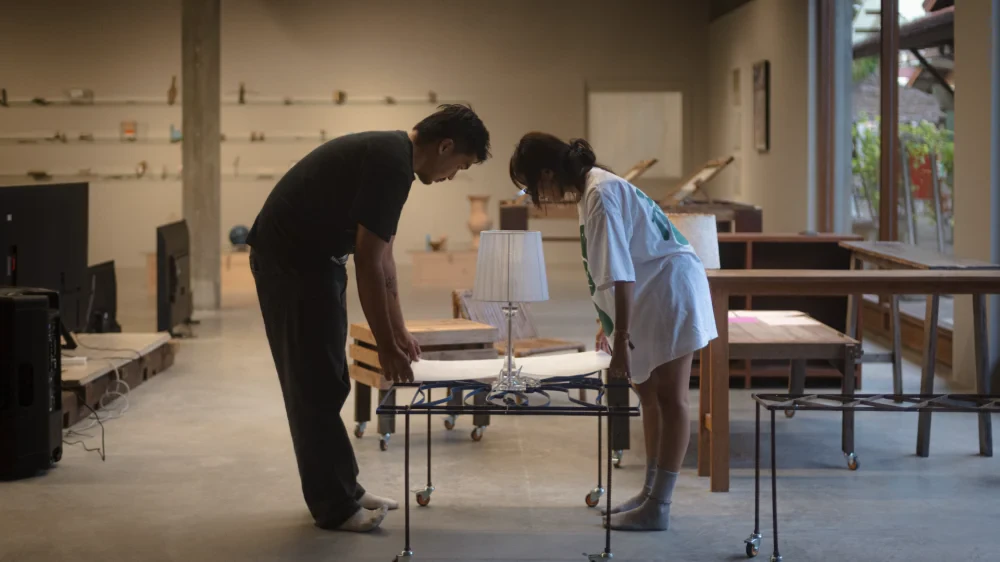
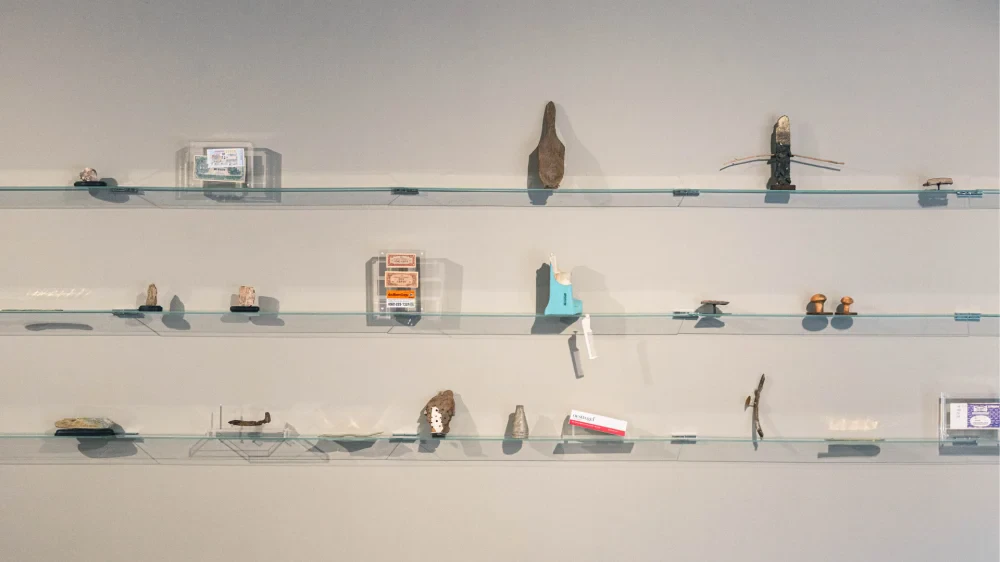
Back in Chiang Mai, these encounters took spatial form through field notes, maps, sounds, images, objects, and gestures, now on view at deCentral Chiang Mai until the end of December 2027.
Monsoon School became a space for some practitioners to test ideas and methods beyond their familiar ways of thinking and working. Learning together made us more attentive to what our disciplines and experiences allow us to see and what they leave out. Bringing different perspectives and methods into dialogue made us realize how we might complement one another, develop a fuller understanding of the realities we encountered, and find ways to respond collectively.
As for deCentral, we left with a clearer sense of the histories and ongoing work that precede our arrival, and of our own positions within the social, cultural, economic, and ecological relations that extend beyond institutional walls and we will surely come back!